
A Friday dinner rush is not the time to discover your commercial oven struggles to maintain temperature or your kitchen cannot run several gas appliances at once. Commercial gas systems must support how a restaurant operates, not just the equipment listed on an installation plan.
For Brisbane restaurant owners, arranging gas work involves more than connecting a cooktop or replacing an ageing fryer. The existing gas supply, kitchen layout, appliance specifications and Queensland licensing requirements all influence the installation.
Whether you are fitting out a restaurant in Fortitude Valley, renovating a cafe in West End or expanding an established venue, knowing what to check before booking can help prevent costly changes and delays.
Planning Commercial Gas Systems for Peak Demand
Restaurant kitchens experience changing gas demand throughout the day. Breakfast preparation, lunch service and evening dining place different demands on cooking equipment, especially when several appliances operate simultaneously.
Commercial gas systems must account for this combined demand. Checking individual appliance requirements alone will not establish whether the existing installation can support the entire kitchen.
For example, a restaurant preparing grilled seafood, fried dishes and baked meals during dinner service may run its chargrill, fryer and oven together. This creates considerably higher demand than during quieter preparation hours.
Before requesting a quotation, prepare an equipment schedule covering:
- Appliance details: Record each appliance’s make, model, gas type and rated gas consumption.
- Operating patterns: Identify which appliances run together during peak service.
- Existing supply: Gather details about the gas meter, LPG cylinders or storage arrangements.
- Future requirements: Include equipment you may introduce during a renovation or expansion.
This information helps the contractor assess supply capacity, pressure requirements and whether the kitchen needs additional pipework or a broader gas supply upgrade.
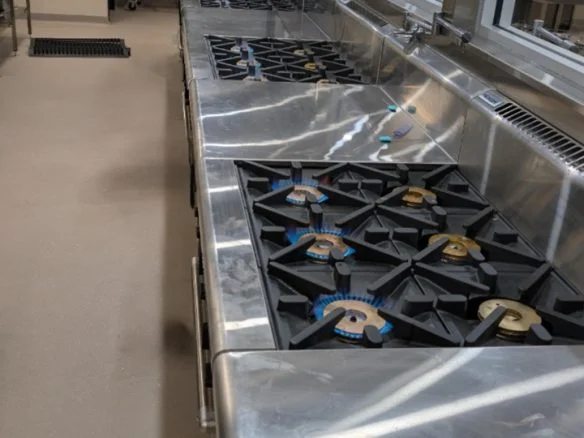
Choosing the Right Contractor for Commercial Gas Installation Brisbane
Experience with residential cooktops does not automatically mean a contractor understands commercial kitchen requirements. Restaurants have different equipment demands, operating schedules and installation constraints.
When comparing commercial gas installation Brisbane providers, look for experience with restaurant fit-outs, cafes and commercial cooking equipment. Ask whether they have completed a commercial kitchen gas installation involving equipment similar to yours.
Commercial gas systems also need careful planning, so discuss how the contractor will assess your premises and approach the proposed work.
- Existing infrastructure: If you are taking over a previously occupied restaurant, arrange an assessment of the existing installation. Previous owners may have added equipment without accounting for increased gas demand.
- Trade coordination: Commercial renovations often involve builders, electricians, kitchen suppliers and ventilation contractors. Confirm who will coordinate the gas work with the final equipment layout.
- Installation scheduling: Discuss access, completion dates and possible trading interruptions. This matters particularly for established restaurants that cannot afford unnecessary closures.
- Quotation details: Request a breakdown of labour, materials, appliance connections, testing and required certification. Clarify how additional work will be quoted if the inspection identifies unexpected issues.
A clear quotation should explain the proposed work, not just provide a price.
Planning Kitchen Layouts Around Commercial Gas Pipework
Kitchen layouts often change between the initial design and final fit-out. Refrigeration units move, preparation benches are repositioned, and additional cooking stations may be introduced.
Commercial gas pipework must suit the final arrangement while maintaining adequate supply and access for future maintenance.
Commercial gas systems require careful planning in Brisbane’s older hospitality premises, where existing service routes may not suit modern kitchen layouts. Limited ceiling access, narrow service areas and established building infrastructure can make installation more involved.
Ask the contractor to assess:
- Pipe sizing and pressure: Pipework must account for connected appliance demand, pipe length and pressure requirements. Incorrect sizing can affect appliance performance.
- Connection positions: Connections should suit final appliance locations without obstructing staff movement or cleaning.
- Isolation access: Appropriate isolation arrangements allow authorised technicians to work on individual appliances during servicing.
- Physical protection: Pipework should be routed and protected against heat, accidental impact and other kitchen conditions.
Consider future equipment changes, too. Reworking an installation because it cannot accommodate another cooking station can add unnecessary costs to a renovation.
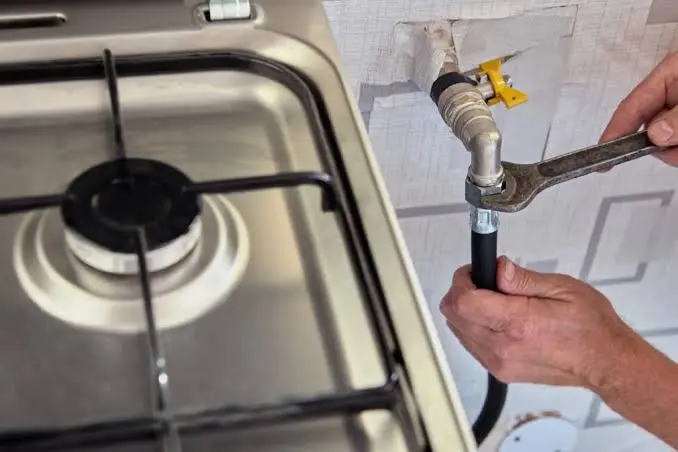
Appliance Approval Checks Before Commercial Gas Appliance Installation
Choosing an oven, fryer or commercial cooktop involves more than comparing prices and cooking capacity. The equipment must suit the available gas supply and meet relevant Queensland approval requirements.
Before arranging commercial gas appliance installation, provide the contractor with the manufacturer’s details, model numbers and technical specifications.
Pay particular attention when purchasing equipment through overseas suppliers. An appliance advertised online is not automatically approved for use in Queensland.
Commercial gas systems must meet both appliance approval and installation requirements. Queensland distinguishes between Type A and Type B gas devices. Many conventional mass-produced appliances fall under Type A, while some specialised commercial and industrial equipment falls under Type B. The licensing requirements differ, so a Type A gas work licence does not automatically authorise work on Type B equipment.
Also check how each appliance will fit into the kitchen. A larger fryer may require changes to bench positioning, while a commercial oven can affect extraction and ventilation arrangements.
Before ordering equipment, discuss approval, connection and positioning requirements with your contractor. This helps ensure your gas systems can accommodate the selected appliances without unexpected installation issues.
Managing Kitchen Heat and Ventilation Requirements
Gas appliances affect more than the gas supply. Cooking equipment produces heat and combustion products, while food preparation creates grease, steam and odours that require suitable ventilation.
Commercial gas systems should therefore be considered alongside the kitchen’s extraction arrangements, particularly when installing high-output cooking equipment.
This matters in Brisbane, where warm and humid conditions can make a busy commercial kitchen uncomfortable.
Before booking, discuss:
- Whether the existing extraction hood suits the proposed cooking equipment.
- Whether an appliance needs a dedicated flue or other ventilation arrangements.
- Whether changes to appliance positioning affect extraction coverage.
- Whether mechanical ventilation contractors need to coordinate their work.
For example, replacing a small cooktop with a larger commercial chargrill can change the kitchen’s heat and extraction requirements. Assess the existing hood before installing the new equipment.
Your gas fitter should identify relevant installation requirements and coordinate with the appropriate ventilation professional. Confirm who is responsible for each part of the project.
Queensland Requirements for a Commercial Gas Compliance Certificate
The installation is not complete simply because every appliance turns on. Restaurant owners also need to understand the testing, certification and documentation associated with the work.
In Queensland, a gas work licence or authorisation holder who installs all or part of a gas system must issue a gas system compliance certificate to the owner immediately after completing the installation. They must also provide a copy to the relevant network operator within five days.
Before accepting a quotation, ask how the contractor manages certification for commercial gas systems and when you will receive the commercial gas compliance certificate.
| What to confirm | Why it matters |
| Current licence or authorisation | Establishes whether the contractor can perform the proposed work. |
| Appliance approval | Confirms equipment meets relevant Queensland requirements. |
| Installation testing | Checks completed gas work against applicable safety requirements. |
| Appliance commissioning | Confirms connected equipment has been checked and set up correctly. |
| Compliance certificate | Documents the completed installation work. |
| Handover records | Provides useful information for future servicing and alterations. |
If several contractors are involved in your commercial gas systems project, clarify who will complete the gas work, arrange the required certification and provide the documentation.
Keep these records with your equipment manuals and renovation documents to support future maintenance, repairs and kitchen alterations.
Maintaining Restaurant Equipment During Daily Operations
Once a restaurant opens, equipment maintenance can take a back seat to daily operations. However, repeated heating, heavy use and exposure to grease can affect cooking appliances over time.
Commercial gas systems maintenance should reflect how frequently the restaurant uses its equipment. A venue trading seven days a week may place more demand on its ovens and fryers than a small cafe with limited hours.
Ask your contractor to recommend a schedule based on manufacturer instructions, appliance condition and actual usage.
Pay attention to:
- Burner performance: Changes in ignition, flame behaviour or heating consistency may indicate a problem.
- Connections and fittings: Check accessible connections for deterioration, damage, and visible concerns.
- Appliance condition: Investigate repeated shutdowns, unusual noises, or inconsistent performance.
- Previous faults: Keep records of recurring issues and completed repairs to help technicians identify patterns.
A commercial gas safety inspection may also be appropriate after alterations, when concerns arise, or where regulations require one.
Maintenance records help managers plan servicing around quieter trading periods, rather than waiting for equipment problems to interrupt service.
Identifying Warning Signs That Require Commercial Gas System Repairs
Even a well-maintained kitchen can experience equipment faults. A burner may stop igniting, an oven may shut down unexpectedly, or a gas connection may develop a problem.
Arrange commercial gas systems repairs promptly when equipment shows signs of abnormal operation. Staff should know which warning signs require attention and understand that gas connections and appliance components are not suitable for DIY adjustments.
Watch for:
- Burners repeatedly failing to ignite.
- Unusual flame behaviour during normal operation.
- Cooking equipment shutting down unexpectedly.
- Unusual noises around gas appliances.
- A noticeable gas smell near an appliance or connection.
If you suspect a gas leak, stop using the affected equipment, avoid flames and electrical switches, move people away from the area and follow your gas supplier’s emergency instructions. Contact emergency services if there is immediate danger.
When arranging repairs, explain which appliance is affected and when the problem occurs. An oven that loses performance during extended dinner service may need a different investigation from one that fails to ignite.
Licence Checks When Hiring a Commercial Gas Fitter Brisbane
The cheapest quotation is not necessarily the best choice. A contractor must understand the equipment, licensing requirements and practical limitations of the premises.
When comparing a commercial gas fitter Brisbane restaurant owners can ask specific questions:
- Check their credentials: Confirm that their current Queensland gas work licence or authorisation covers the proposed work and appliance category.
- Discuss similar projects: Ask whether they have worked on restaurant kitchens with comparable equipment.
- Confirm the work scope: Establish whether the quotation includes supply assessment, pipework, appliance connections, testing and required certification.
- Understand potential delays: Ask what could affect the timeline, particularly when older infrastructure or imported equipment is involved.
- Clarify future support: Find out whether the contractor can assist with servicing, fault diagnosis and additional gas work.
If your project involves Type A appliances, ask whether the assigned technician is appropriately licensed to work on your commercial gas systems. When searching for a Type A gas fitter Brisbane businesses can engage, also check the licence holder’s current scope of work.
You can verify current licence details through the Queensland Government’s gas work licence and authorisation register.
A qualified contractor should explain technical decisions clearly and identify potential limitations before work on your commercial gas systems begins.
Conclusion
Commercial gas systems affect more than the cooking equipment in your restaurant. Gas supply capacity, appliance approvals, pipework, ventilation, contractor licensing and certification all influence how well the finished kitchen operates. Checking these details before booking helps prevent avoidable changes, unexpected costs, and service interruptions.
If you are fitting out a new restaurant, upgrading equipment or arranging repairs, contact LTC Gas to discuss your requirements. Their Brisbane team provides commercial gas installation, appliance connections, repairs and compliance documentation for applicable work. Arrange a professional assessment before committing to your next kitchen project.
Frequently Asked Questions
1. Do Brisbane restaurants need licensed gas fitters?
Yes. Commercial gas systems must be installed, altered, repaired, serviced and tested by appropriately licensed or authorised professionals in Queensland. The required credential depends on the appliance classification and the type of gas work involved.
2. Can I add another gas appliance to my existing kitchen?
Possibly. Before adding equipment, have your commercial gas systems assessed by a qualified contractor. They should check supply capacity, pipe sizing, pressure requirements and combined appliance consumption to determine whether another connection is suitable.
3. Are imported commercial gas appliances approved in Queensland?
Not automatically. Commercial gas systems must use appliances that meet applicable Queensland gas device approval requirements. Check the imported equipment’s classification and approval status with an appropriately qualified professional before purchasing or arranging installation.
4. How often should restaurant gas equipment be serviced?
Commercial gas systems should be maintained according to manufacturer recommendations, operating hours and appliance condition. A busy restaurant may need more frequent attention. Arrange professional servicing whenever equipment shows unusual behaviour or inconsistent performance.
5. Is a compliance certificate required after gas installation?
Yes. When an appropriately licensed or authorised person installs all or part of commercial gas systems, Queensland requires a gas system compliance certificate. The owner must receive it immediately after the installation is completed.
6. What should I do if a restaurant gas appliance leaks?
If you suspect a leak in your commercial gas systems, stop using the affected appliance, avoid flames and electrical switches, and move people away. Follow your gas supplier’s emergency instructions and contact emergency services if there is immediate danger.