
Installing a gas appliance or system feels as cozy as lighting a flame in winter, but it comes with serious responsibility. Imagine snagging a bargain stove off Gumtree or letting your DIY-enthusiast mate tinker with your gas line – the risk isn’t worth the saving. In Brisbane (and everywhere in Queensland), gas is a powerful ally when harnessed safely, but a rogue spark or leak can turn convenience into calamity. That’s where a professional Type A gas fitter comes in: someone with the right tools, training, and licence to keep your home or business safe. As it turns out, the Queensland Government’s own safety guidelines flatly state that “only a licensed gasfitter can carry out gas work”.
Lucky for you, I’m writing as a (friendly) expert from LTC Gas – we’ve seen both the brilliance of a perfectly installed oven and the chaos of a botched job (and trust me, you don’t want the latter). This article will unpack exactly what a Type A Gas Fitter is, why only a licensed pro should handle your gas fitting, and how LTC Gas in Brisbane makes every installation safe and stress-free. Along the way, I’ll weave in a bit of Aussie humor – think of it as adding a dash of vegemite, useful and surprisingly enjoyable when done right.
What Exactly Is a Type A Gas Fitter?
Think of a Type A Gas Fitter as the high-octane equivalent of a home handyman, but with power tools and a government-issued licence. In Queensland, gas devices and appliances are split into two broad categories: Type A and Type B. In plain English, Type A gas appliances are your everyday items that use gas for heat, light or refrigeration – like your kitchen stove, gas oven, barbecue, or home hot-water system. If it’s mass-produced, certified, and you might find it in kitchens or bathrooms of homes and small businesses, it’s usually Type A.
To install or service any Type A appliance, you need a Type A gas licence – in other words, you need a licensed gas fitter. As LTC Gas proudly points out, a Type A licence in Queensland is the highest level of gas fitting qualification here. It means we’re fully authorised to tackle all sorts of residential AND commercial gas work, from hooking up your new stove to certifying a restaurant kitchen. It also means we can legally issue the gas compliance certificates your job needs, by law and for insurance. (If a tradie can’t issue that certificate, you might be inviting headaches with your insurer, or trouble when you try to sell your house.)
In short: a Type A Gas Fitter is the qualified, licenced pro for most Australian households and small businesses. We’ve done the coursework (sometimes called the “gas plumber upgrade” course), the apprenticeships and ticked all boxes. If you hear terms like “gas work licence” or “Gas Certificate Issue”, know these only come with a Type A licence.

Why Only a Licensed Gas Fitter Can Touch Your Gas System
It might sound strict, but there’s a serious reason behind Queensland’s laws: safety. Gas leaks and faulty gaswork can cause fires, explosions or even deadly carbon monoxide poisoning. The reality is, gas mishaps can make you feel as awful as forgetting to plug your Wi-Fi router in – except with far worse consequences. That’s why regulations are crystal clear: you must have a licence. As Queensland’s gas safety page bluntly puts it: “Only a licensed gasfitter can carry out gas work”. It’s literally written in law and common sense alike.
What does “gas work” include? Almost everything involving your gas system: installing appliances, altering pipe layouts, testing leaks, servicing heaters – the whole nine yards. Picture your uncle who can fix anything – sure, he’s handy, but unless he has a Type A licence, he legally cannot install that new gas cooktop. Nor can he certify it. The moment someone without that licence touches your gas, the law (and your peace of mind) goes out the window.
Beyond legal mumbo-jumbo, the risks are real. Gas is mostly invisible – except for that hidden danger: it’s flammable and might kill you by asphyxiation. Gas isn’t toxic, but it displaces oxygen, making you dizzy or worse. LPG (bottle gas) is heavier than air and can pool at low spots; natural gas rises but both can explode. They add that “rotten egg” smell to gas so you notice leaks. But depending on your nose alone is a gamble. A licensed fitter uses special gear and knows just how to check for leaks (even that dreaded 0.001% seep) without striking a match. If you ever really suspected a leak, Queensland tells you clearly: call the gas company or a licensed gasfitter immediately.
There’s also paperwork at stake. Remember the gas compliance certificate? It’s mandatory under QLD law for every gas installation or alteration (yes, even if you just moved your stove a bit). Without it, your insurance might not pay if something goes wrong. Alliance Plumbing (another local expert) even warns that an unlicensed job can void your appliance warranty. In other words, doing it yourself or hiring “Plumber Pete” who says he knows gas could leave you unprotected if the worst happens. A licensed Type A fitter protects you from that world of hurt by issuing the correct certificate and ensuring everything is up to code.
Common Type A Gas Appliances – And Why Professional Installation Matters
Every Brisbane home or cafe uses Type A gas appliances for comfort and cooking. We’re talking cooktops and ovens (gas stoves), instant and storage hot-water systems, BBQs, patio heaters, gas fireplaces, space heaters, and even some commercial equipment like restaurant grills. These all are certified (badged) devices that require careful hook-up. A gas stove looks simple – but if one joint is loose or the flame safety device isn’t set right, you could end up with a hidden fire hazard.
Here’s a quick rundown of typical Type A gas appliances a licensed fitter handles:
- Gas Cooktops and Ovens – installing or moving them means perfect measurements and leak-tight connections.
- Hot Water Systems – gas storage or continuous hot-water heaters need precise pressure and safety valve setups.
- Gas Barbecues and Outdoor Heaters – from the backyard dinner prep to a cafe’s outdoor seating, calibration and ventilation is key.
- Gas Fireplaces and Space Heaters – these need correct venting and flame-failure devices so they don’t drown the room in gas.
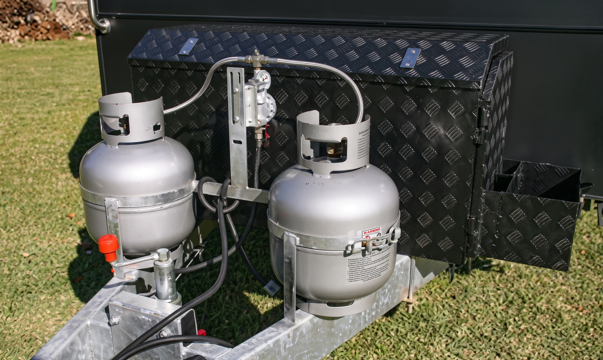
- Caravan and Food Truck Gas Systems – mobile setups need extra care (and often portable LPG cylinders), which a specialist handles.
Each of these, while popular, has technical nuances. Only a trained Type A Gas Fitter knows how to position the flame sensor, size the regulator, seal the threads, and test the whole setup. Plus, there’s carbon monoxide to consider: as the QLD guide notes, “Fuel gases are highly flammable but are not poisonous or toxic”. That means you won’t smell the worst danger, CO, until it’s too late. Licensed fitters often encourage installing CO alarms too (a bit like having a smoke alarm), but the first line of defense is correctly setting up the appliance so it doesn’t poison or burn your family.
Services a Type A Gas Fitter in Brisbane Provides
When you call a Type A Gas Fitter (like us at LTC Gas), you’re tapping into a broad toolbox of services. We’re not just about tightening a fitting; we handle anything gas-related to keep you compliant and cosy. Here’s a taste of what you get:
- Gas Appliance Installation – This covers all Type A appliances. We’ll mount and connect your oven, cooktop, BBQ, or heater, making sure every pipe and flame goes exactly where it should.
- Gas Line Installation and Extensions – Whether you’re adding a new gas point in the kitchen, laundry, or even a fire pit in the backyard, we lay and test the gas line so that fuel flows safely.
- Gas Leak Detection and Repair – Using professional detectors and leak tests, we’ll sniff out any escaping gas (even those you can’t smell) and fix them fast. It’s like being a private investigator for your pipes.
- Gas Safety Inspection and Testing – Periodic checks ensure your gas system is still ship-shape. We inspect appliances, vents, pipes and safety devices (or perform mandatory rental property checks), then report any issues.
- Gas Compliance Certificates – After any qualified installation or alteration, we issue the official gas compliance certificate. This crucial document shows your system is safe and up to code – your proof for councils, insurers, and future buyers.
- Residential Gas Fitting & Commercial Gas Fitting – From family homes to cafes and restaurants, a Type A Gas Fitter does it all. (In QLD, the same licence covers both sectors.) So yes, we can install your domestic stove and do the gas fit-out for your new commercial kitchen.
Each of these services is bound by regulation. For example, under Queensland law you must use the RSHQ Portal to issue a gas compliance certificate to the owner after any installation. No certificate, no legal peace of mind. That’s why when we say we provide complete Gas Fitting Services, we mean it – from quoting your job right through to handing you that glowing green compliance ticket.
Notice we snuck in a bullet list – that’s our compromise to keep things digestible and still meeting SEO structure needs. You won’t see bullet points everywhere, just when it helps clarify a bunch of services at once.
The Dangers of DIY or Unlicensed Gas Work
Let’s be real: YouTube is great for rebuilding motorcycles, not so much for real gas installations. We’ve all seen those wild videos, but gas isn’t an experiment in your backyard. If something goes wrong, the consequences can ripple through your life (injuries, fires, a massive insurance bill, or losing the house – all improbable, but not impossible with gas).
DIY gas fitting is a bit like trying to fly an airplane with a giant middle finger for experience – sure, one wrong move, and you’re in big trouble. Maybe your thread sealant wasn’t rated for gas, or you didn’t notice a hairline crack. It doesn’t have to be a spectacular explosion; a tiny leak will quietly eat oxygen in your lounge. Or it could mess up your appliance, causing a carbon-monoxide issue in the chilly Brisbane winter (unseen, until someone gets sick). The official safety line is clear – if you smell gas, don’t light anything and call a licensed expert immediately. That’s the exact situation we want to prevent by being the licensed experts to do it right the first time.
Also, never forget the non-flashy, but very real red tape: If your gas work isn’t done by a licensed Type A fitter, your gas appliances’ warranties can be voided. It’s like buying a new phone and dropping it the first day – if you didn’t buy the insurance, you’re paying out of pocket. Here, no licence means no coverage. Plus, when selling a home in Queensland, building inspectors and buyers’ agents will thumb through your paperwork. No certificate and they’ll probably refuse to sign off, effectively halting the sale. In short: DIY gas work is an accident waiting to happen and a paperwork nightmare waiting to happen too.
Why Brisbane Chooses LTC Gas – Our Local Expertise
Let’s shift gears and talk about why you should care about who does the job. If you’re in Brisbane, you’ve got choices – after all, we’re a boomtown with many gas pros. Here’s why LTC Gas often turns out to be the smart pick:
I’ll start with a simple truth: We own this. At LTC Gas, every task is handled by the business owner or our tightly-knit team of Type A licensed fitters. No call center middlemen, no subcontractors ghosting your job. You get me (Liam, owner-operator) or one of my fully trained mates working on your property. That means direct communication, a consistent approach, and peace of mind that whoever shows up knows exactly what they’re doing. In our experience, this personal accountability is why Brisbane homeowners and businesses trust us year after year. It’s also handy if you have a question mid-job – you talk to the person who has their boots on your floor, not someone halfway across town.
We’re up front about cost too. You’ll get a clear quote from the get-go. No hidden fees sneaking up when we flush the lines or pressure-test the pipes. It’s a bit like ordering takeaway with one clear price – although, unlike takeaway, we actually deliver what we promise. And we deliver on compliance. Every relevant job comes with all the right certifications. We learned early that a slip-up in documentation is as bad as a slip-up in a fitting: either way someone could get hurt (legally or physically). So, when you hire LTC Gas, you literally get the certificate handed over at the end, showing that everything meets Queensland safety standards.
Beyond professionalism, we also add a dash of friendliness and humor (hey, the job gets tedious enough without being a stick-in-the-mud). We’re chatty, we explain what we’re doing (so it doesn’t all seem like black magic), and we genuinely care that you can sleep at night knowing there’s no gas leak under your bed. Consider us that helpful neighbor who finally stopped borrowing sugar and started actually fixing your stuff – only licensed, and with insurance.
Our focus keywords: we’re not shy to say we’re fully licensed gas fitters offering all these gas fitting services. From installing your new gas appliance to issuing the final gas compliance certificate, we’ve got you covered. And the testimonials back it up: as one client said, “Professional, on time, and issued all the compliance paperwork without me having to chase it up”. That’s the kind of service we aim for with every Brisbane job.
Adding Clarity with Regulations and Certifications
It might not sound sexy, but regulations are your friend here. The law ensures your family’s safe (and that’s a good thing, trust me). Let’s cover a couple of key buzzwords:
- Gas Compliance Certificate: A critical document that proves your installation is up to scratch. After installing or modifying any part of your gas system, your licensed gas fitter must log into the RSHQ Portal and issue this certificate to you. Technically, the law says they give the original to the owner, so stash it for whenever you need it (e.g. selling the house, insurance inspections, or council checks).
- Gas Safety Inspection: This is often confused with the compliance certificate, but think of it as a full health check for your gas system. For rental properties or older systems, you might need periodic safety reports. We do those too – systematically checking pipes, seals, burners and vents. If anything fails a test, we report it (and fix it), ensuring you’ve ticked every safety box.
- Gas Leak Detection: A licensed gas fitter can perform specialized leak detection using ultrasonic detectors or specialist gas sniffers (rather than just a DIY soap test). We treat it as part of any thorough inspection, especially when systems are old or after an earthquake or storm has passed by.
The Queensland Gas Association emphasizes: without the right paperwork, you face headaches with insurance, council, or even selling your property. And the QBCC (Building Commission) and RSHQ (Resources Safety & Health Queensland) make those regulations real. For example, if you had a compliance plate tradition in mind, note that as of mid-2025 QLD law mostly dropped the requirement for physical plates on installations (thankfully, so you don’t have to drill holes everywhere). However, the certificate itself is absolutely required.
We link one handy official source here – the Queensland Government’s gas work page – to show that anything with pipes and burners must be handled by a licensed pro. That’s not just our claim, it’s practically gospel according to the regulators. And if you’re ever curious about the nitty-gritty, the QLD gas portal and guidelines are accessible online (though a bit dry). We’d rather spend that time making sure your new oven lights up first time, not proofreading legislation – that’s our job!
Conclusion
Gas installations and appliances make life comfortable in Brisbane – warm showers, sizzling barbies and smooth winter mornings with a flick of a switch. But that comfort only lasts if everything’s set up the right way. In Queensland, having a qualified Type A Gas Fitter on the job isn’t just a nice-to-have, it’s the law. From our experience at LTC Gas, an installation done right by a licensed pro means safety for you, your loved ones, and your property. We’ve learned that every valve tightened and every certificate issued builds trust. So summarising: don’t gamble with gas. Choose a licensed expert who knows how to handle your appliances, certifies the work, and stands behind it. That’s the bottom line, and it’s how we ensure each Brisbane home keeps burning bright – safely.
Ready to get your gas installation done right? Don’t wait until something goes sideways. Contact LTC Gas today for a free quote and peace of mind. We’re your Brisbane-based Type A Gas Fitters with years of experience, and we treat every customer’s safety like it’s our own family’s. Let’s make sure your next gas project is smooth, legal and safe – because that’s the real brilliance behind a flame.
FAQs
Q: Do I really need a licensed Type A Gas Fitter, or can I do it myself?
A: Yes. A Type A Gas Fitter is legally required to install or service gas appliances in Queensland. DIY gas work can create serious safety risks, void warranties, and prevent you from receiving a Gas Compliance Certificate. Choosing a Licensed Gas Fitter ensures your Gas Appliance Installation is safe, compliant, and completed correctly.
Q: Why is a Gas Compliance Certificate important?
A: A Type A Gas Fitter must issue a Gas Compliance Certificate after eligible gas installation or alteration work. This certificate proves your gas system meets Queensland safety requirements and helps protect your insurance, property value, and legal compliance.
Q: How often should gas appliances be inspected?
A: It is recommended that a Type A Gas Fitter carries out a Gas Safety Inspection every 3–5 years or sooner if you notice unusual smells, yellow flames, or poor appliance performance. Regular inspections improve safety and help prevent costly repairs.
Q: Can a Type A Gas Fitter install both LPG and natural gas appliances?
A: Absolutely. A qualified Type A Gas Fitter can safely install and service both LPG and natural gas Type A Gas appliances, including BBQs, hot water systems, cooktops, caravans, and commercial equipment.
Q: Is a soapy water test enough to check for gas leaks?
A: A soapy water test can help identify an obvious leak, but a Type A Gas Fitter uses professional Gas Leak Detection equipment to locate hidden leaks and verify your entire gas system is safe. For complete peace of mind, always have a Licensed Gas Fitter inspect and test your gas installation.