Picture this: you’ve just moved into a charming Brisbane home, lured in by its sunny living spaces and the promise of outdoor barbecues. The agent mentions that the house is plumbed for gas, and your mind drifts to images of instant hot showers and perfectly seared steak on a gas cooktop. But before you fire up the first burner, there’s an important question: how do residential gas systems work, and what do you need to know about installing and keeping them safe in Queensland? Whether you’re a new homeowner or just curious about the gas running quietly behind your walls, this guide breaks down everything from installation to compliance with a laid-back Australian vibe.
We’ll explain the basics of Brisbane gas setups, share tips on cooking with gas, cover hot water systems (instant vs tank), and walk you through safety checks and maintenance. Along the way we’ll weave in key advice about hiring licensed tradespeople – after all, “me mate Dave the sparkie” is great for wiring, but gas work should always be done by the pros. Let’s dive in, and by the end you’ll feel confident about your home’s residential gas system and ready to chat with your local Type A gas fitter (a fancy Queensland term we’ll explain soon).
What Is a Residential Gas System?
When we say residential gas system, we’re talking about all the pipes and appliances that deliver gas (usually natural gas or LPG) to heat water, cook food, or warm your home. In most Brisbane suburbs, reticulated natural gas from a mains network fuels your stove, oven, heater or continuous-flow hot water. If you live in a rural area or have a gas barbecue or generator, you might use LPG gas (bottled gas) instead – it works similarly but comes from a cylinder or tank on your property.
Think of a residential gas system like a plumbing network, but for gas: it starts at the meter or cylinder, goes through a pressure regulator, then branches out through copper or stainless pipes to each gas appliance. Each appliance (gas cooktop, oven, heater, hot water unit, etc.) has a dedicated connection. For safety, an odorant (that rotten-egg smell) is added so you can detect leaks quickly. Importantly, governments insist on regular checks: only a licensed fitter can work on these systems. In Queensland, gas is non-toxic but flammable. The state’s official gas safety guidelines remind us that leaks of heavier-than-air LPG can pool in low spots and that any gas work must be done by a qualified professional. We’ll get into those safety tips in a minute, but first let’s look at how a new gas system is installed.
Installing a New Gas System in Brisbane
Putting in a new residential gas system is no DIY job. Picture a renovation or new build: you plan for a gas line from the street (or cylinder) up to the kitchen and laundry. A licensed Type A gas fitter (that’s a special Queensland license) will design the layout, install pipes, valves and vents, and test the system. The process typically follows steps like:
- Design and Planning: Evaluate how many gas appliances (cooktop, oven, BBQ, etc.) you’ll have, where the meter or LPG tank goes, and how big the pipes need to be. This ensures you’ll have enough pressure at each point.
- Piping Installation: Run copper or approved stainless steel pipes from the meter or tank to each appliance. This includes installing a main shutoff valve near the meter or regulator for emergencies, and individual isolating valves at each appliance.
- Connecting Appliances: Fit each appliance (gas stove, oven, heater, etc.) with the correct hose or fitting. For example, a gas cooktop requires a pressure-tested connector and ventilation hood above.
- Pressure Test & Commissioning: Before anything is used, the fitter pressure-tests the entire system for leaks (with air or inert gas), checks each connection, and adjusts regulators. The plumber also makes sure all burners have a nice blue flame and the equipment meets Australian Standards.
- Certification: Once everything passes inspection, the fitter issues a Gas Compliance Certificate. In Queensland this is the law – you must have a licensed installer sign off on any new gas installation or modification.
Using bullets for these steps keeps it clear what’s involved. Each bullet can be turned into a narrative if needed, but for now the list helps make the installation process easy to follow at a glance.
Remember: a Type A licensed gas fitter is the only person who can certify domestic gas work in Brisbane. This is more than just a formality – an official compliance certificate protects your home insurance, property sale, and (most importantly) your family’s safety. Once the system is certified, you and your family can enjoy the comfort of gas cooking and heating, knowing it’s legal and safe.
Gas Appliance Installation (Cooktops, Ovens, BBQs and More)
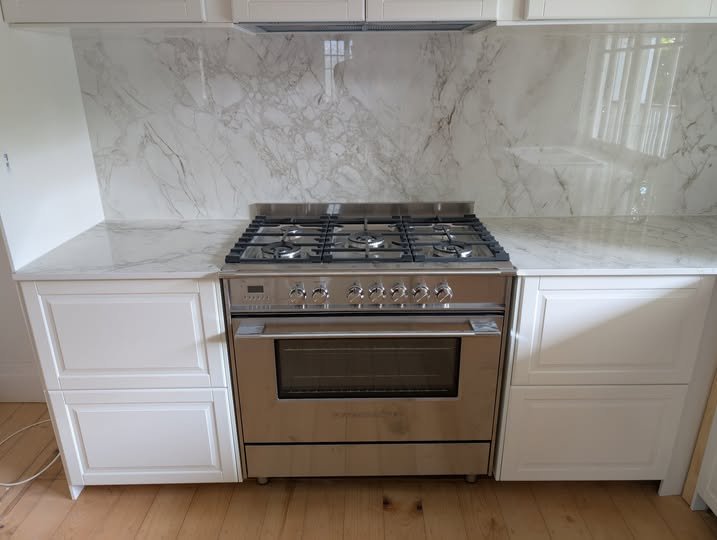
Now that the pipes are in, it’s time to hook up the gadgets: cooktops, ovens, heaters, and even outdoor BBQs can all run on your home’s gas. You might think of these appliances as plug-in devices, but gas fittings are a bit different. For example, installing a gas cooktop or oven involves:
- Turning off the gas supply and possibly the electric supply (some ovens have electric ignition).
- Attaching a certified gas connector hose between the appliance and the home pipe network.
- Aligning and calibrating burners, checking flame patterns, and ensuring vents or hoods comply with building rules.
It’s very tempting to think “it looks easy” and do it yourself, but the Queensland government is clear: only a licensed gasfitter can carry out any gas appliance installation. If something goes wrong (like a tiny leak or yellow flame), it can waste a lot of gas or even create carbon monoxide hazards. Professional installation also means your manufacturer’s warranty remains valid and your insurance remains friendly.
At LTC Gas, every job includes full documentation. For example, after we install your gas cooktop or oven, we issue the compliance certificate so you’re covered if the bank or buyers’ solicitor ever asks for it. Plus, we deal with venting and gas shutter adjustments so that your new appliances operate at peak efficiency. Proper setup means a clean blue flame, which translates to faster cooking and lower bills – a real win for Brisbane’s budget-friendly living.

Gas Hot Water Systems (Instant vs Storage)
One of the biggest uses of gas in Australian homes is hot water. In Brisbane, you’ll often choose between an instant (continuous flow) gas hot water system or a storage tank system. The right choice depends on your household’s needs:
- Instant (Continuous Flow) Gas Hot Water: Heats water on demand, so there’s no big tank of water cooling off. You get unlimited hot water whenever you need it, energy-efficiently (since it only heats what you use). These units are compact (good if space is tight) and ideal for small to medium families. They do rely on precise gas pressure, which means a professional installation is crucial for reliability.
- Storage Gas Hot Water (Tank): Has an insulated tank that holds heated water. This is great for large families or high demand, since you have a reservoir ready. Tanks generally cost less upfront and work even during a brief gas outage. However, they do lose some heat over time and take up more space.
Choosing between them comes down to your household’s usage patterns. If you live alone or as a couple and want efficiency, a continuous-flow unit might suit you. If you have a big family (or a big appetite for showers), a tank might be more practical.
Once you decide, installation follows similar steps: the new unit is connected to the gas line, water supply, and flue, and then tested. Licensed installers will size the gas supply correctly – under-specced pressure means lukewarm showers, while oversupply is wasteful. After installation, you always get a compliance certificate. In fact, Queensland law demands it for any change to a gas hot water system.
LTC Gas installs both types. We’ll give you the rundown on which suits your home, then fit it right. And because Brisbane plumbing and electrical codes can be quirky, we do all the paperwork too. The result? Instant hot water in the morning with no stress.
Maintenance & Repairs for Your Gas System
Even a well-installed gas system needs a bit of TLC over its lifetime. Think of it like a car: routine check-ups keep everything running smoothly. Here are some key maintenance and repair tasks to keep in mind:
- Regular Inspections: Brisbane’s climate can be humid or rainy, which may cause metal fittings to corrode slowly. Every year or two, walk around your appliances and visually inspect pipes, connectors, and burners. Look for signs of rust, dents or damage. The Queensland government recommends checking for corrosion or wear, making sure vent fans and chimneys are clear, and keeping combustible materials away from appliances.
- Leak Checks: If you ever smell that unmistakable rotten-egg odor, or suspect a leak, shut off the gas and call a professional immediately. You can also do a soapy-water test on exposed fittings: spray a little soap solution on the pipes and turn on the gas low; bubbles mean a leak. If you find a leak, turn off the gas and ring an emergency gas fitter right away.
- Burner and Jet Cleaning: Gas burners and jets can get clogged over time with dust or cooking grease. This can cause uneven flames or inefficient combustion. A service call from LTC Gas can clean and adjust these, restoring performance (and preventing premature wear of your appliances).
- Appliance Servicing: Besides leak fixes, appliances like hot water systems often need servicing. For example, the pilot light or ignition in a heater might need recalibration, or a pressure valve might need replacement. In Brisbane’s water (which can be hard), mineral scale can build up in water heater tanks. We can flush and check pressure valves so your system stays safe.
- Gas Compliance Certificate (Minor Modifications): Even for smaller fixes or relocations (say you move your cooktop around, or install a new BBQ outlet), you technically need a new compliance certificate. This ensures any change was done to the correct standard. LTC Gas handles these reports so you don’t have to worry.
In short, don’t ignore little problems. A hissing sound, tiny drips of water near a water heater, or inconsistent flame colors (yellow or lifted) are all clues you should book a service. Regular maintenance not only keeps your family safe, it also keeps your gas bills in check by ensuring efficient combustion. And since we discussed BBQs, remember: even an external LPG line for a BBQ cylinder should be checked annually by a licensed fitter.
Safety and Compliance: Rules You Must Follow
Gas is great – it’s cheap, fast-heating and Aussie households love it – but it demands respect. In Brisbane (and all of Queensland), strict regulations exist to keep everyone safe. Here are the major points every homeowner should know:
- Only Licensed People May Do Gas Work: This can’t be overstated. Queensland law explicitly states that only a licensed gasfitter can install, alter, repair or certify a gas system. That means you shouldn’t let Joe from next door tinker with your gas lines, even if he has a wrench. Using an unlicensed person not only voids warranties and insurance, it can also violate the law.
- Gas Compliance Certificates: Whenever you install a new appliance or modify a system, a licensed fitter must issue a Gas Compliance Certificate. This legal document (now lodged via an online portal) says the work meets safety standards. If you ever sell your home or make an insurance claim, you’ll need these certificates. As the official Business Queensland site puts it, the compliance certificate is needed for “insurance, property sales, and council compliance”. LTC Gas includes this paperwork with every job, so you’re covered from day one.
- Know the Signs of Trouble: The Queensland Government gas safety page reminds us gas leaks aren’t about poison – they’re about fire and asphyxiation risk. If you ever smell gas, follow these steps immediately: do not switch any electronics or lights; open windows; turn off the gas at the meter or cylinder; and call emergency services (000) if the smell persists. Keep your gas supplier’s emergency number handy too. And for small issues (like a leaky pipe or a malfunctioning valve), the government advises calling a licensed gas fitter immediately.
- No Physical Compliance Plates Needed: A recent rule change (July 2025) means most residential systems in Queensland don’t require a metal compliance plate on the meter or tank anymore. Instead, the online certificate does the job. The exceptions are mobile situations like caravans. So when LTC Gas finishes your job, we won’t bolt a plate on – but we will make sure all your certificates are logged correctly.
- Emergency Gas Fitters: If there’s a gas emergency (major leak, fire, impact on the gas line), dial 000 immediately. For urgent but non-life-threatening issues (say your regulator fails at midnight), some companies (like LTC Gas) offer after-hours emergency services. Queenslanders often say “dial 000 first, then a gas fitter.” A true emergency gas fitter can come out, shut off your leak, and make the scene safe before daytime.
In short, treat gas with the same caution you would high-voltage electricity. Stay safe by hiring professionals. The official QLD guidelines emphasize this: “Only a licensed gasfitter can carry out gas work. Gas work includes installing, removing, altering, repairing, servicing, testing or certifying the gas system”. That covers pretty much everything we’ve talked about. It might sound strict, but it’s for good reason — gas is highly efficient and reliable, but mistakes can be dangerous. By following the rules and checking your system regularly, your home stays cozy and risk-free.
For more detailed standards, the Queensland government’s Using natural gas and LPG safety page has great advice, or you can check the Business and Innovation site for Queensland’s regulations on gas compliance. Pro Tip: If you’re ever unsure about a regulation or certificate, a quick look at the official site can answer it.
Why Hire a Type A Gas Fitter in Brisbane (Like LTC Gas)?
You’re probably sensing a theme: licensed professionals, compliance certificates, no cutting corners. In Queensland, the highest level of residential gas fitter is a Type A Gas Work Licence holder. So who fits that description? Tradespeople like us at LTC Gas. What does it all mean for you?
A Type A licensed gas fitter has the full credentials to handle domestic installations, repairs, and certifications. We’re not limited to just servicing or just caravans – we can do it all, from connecting your brand-new gas oven to installing a full system in renovations. Having a Type A fitter on the job means one thing: we can issue the official compliance paperwork on the spot. No handoffs. No extra appointments. This license level is actually required by insurance companies and councils if you’re upgrading a system, selling a property, or opening a commercial kitchen.
At LTC Gas, we emphasize transparency. You deal directly with the owner-operator (no hidden subcontractors), and we give you an upfront quote. Every job includes “Compliance Included” – we literally write it on our brochure. We keep it friendly and casual, but also thorough. For instance, when we install your new continuous-flow hot water or hook up a gas fireplace, we’ll chat through your options (keeping it jargon-free, promise), then do the work to the highest standard.
Why trust us? We live here too. Brisbane homeowners have trusted LTC Gas because we’re local, responsive, and experienced. Clients say they appreciate our attention to detail – one review even noted that we “issued all the compliance paperwork without me having to chase it up”. And because we’re owner-operated and small, you get personalized service. To sum it up: hiring us (or any Type A fitter) means safety, legality, and no nasty surprises. Your insurance stays valid, and you get to keep enjoying gas conveniences confidently.
Installing and Repairing Under One Roof
Beyond new installs, LTC Gas can handle all the nitty-gritty fixes: gas leak repairs, pressure problems, or appliance failures. We’ve got you covered on all front burners. And if you’re curious about costs, the main thing is that licensed work is well worth the money for peace of mind. A botched DIY job can end up costing more in the long run.
To wrap up our main content: Residential gas systems in Brisbane are fantastic when properly managed. They give you efficient heating and cooking, but they come with responsibilities. By learning a bit about how the system works, doing regular safety checks (the ol’ soapy water test and sniff-for-mercaptan), and calling in a Type A fitter like LTC Gas when needed, you’ll enjoy all the gas perks without worry. Think of us as your friendly neighborhood gas experts, here to keep the hot water hot and the flame steady.
Conclusion
Residential gas in Brisbane offers real convenience – from instant hot water to flamethrower-efficient cooktops – but it comes with responsibilities. In this guide we’ve covered it all: how new gas systems are installed, the difference between continuous flow and storage hot water, the necessity of licensed gas fitters, and crucial safety and maintenance advice. The golden rule is simple: always hire a Type A licensed gas fitter for any work. This ensures proper installation, optimal energy efficiency, and compliance certificates that protect you legally and financially. Doing regular checks — looking out for corrosion, doing a leak test now and then — keeps your system running smoothly. By following Queensland’s regulations and the tips above, you’ll enjoy all the benefits of gas power in your home without worry.
If you’re in Brisbane and need gas work done right, give LTC Gas a buzz. We’re a local, owner-operated team of licensed Type A gas fitters. Whether it’s connecting a new stove, installing a hot water system, or handling an urgent leak, we handle it with upfront quotes, safety-first methods, and all the compliance paperwork taken care of. Feel free to contact us today for a free quote or advice — we’re here to make sure your gas systems serve you safely and efficiently. Contact LTC Gas at 0413 447 336 or email us to chat about your Brisbane home’s gas needs. We’re happy to help you keep the flame on!
Frequently Asked Questions
Q: Do I need a Gas Compliance Certificate?
Yes. In Queensland, a licensed gas fitter must issue a Gas Compliance Certificate after any new gas installation or major gas work. It confirms your system meets safety standards and may be required for insurance or future property sales.
Q: Which is better: instant or storage gas hot water?
Instant (continuous flow) systems heat water only when needed, making them energy-efficient and ideal for smaller households. Storage systems keep hot water in a tank and are often better for larger families with high water usage.
Q: How can I tell if I have a gas leak?
A strong rotten egg smell, hissing sounds, or bubbles forming during a soapy water test can indicate a gas leak. If you suspect a leak, turn off the gas supply, ventilate the area, avoid electrical switches, and contact a licensed gas fitter immediately. Call 000 if there’s immediate danger.
Q: Can I install or repair a gas appliance myself?
No. Queensland law requires all gas installation and repair work to be completed by a licensed gas fitter to ensure safety and legal compliance. DIY gas work is unsafe and illegal.
Q: When should I call an emergency gas fitter?
Call an emergency gas fitter immediately if you smell a strong gas odour, hear a gas leak, or suspect an unsafe gas appliance. For serious emergencies, contact 000 first, then arrange a licensed gas fitter to make the system safe.