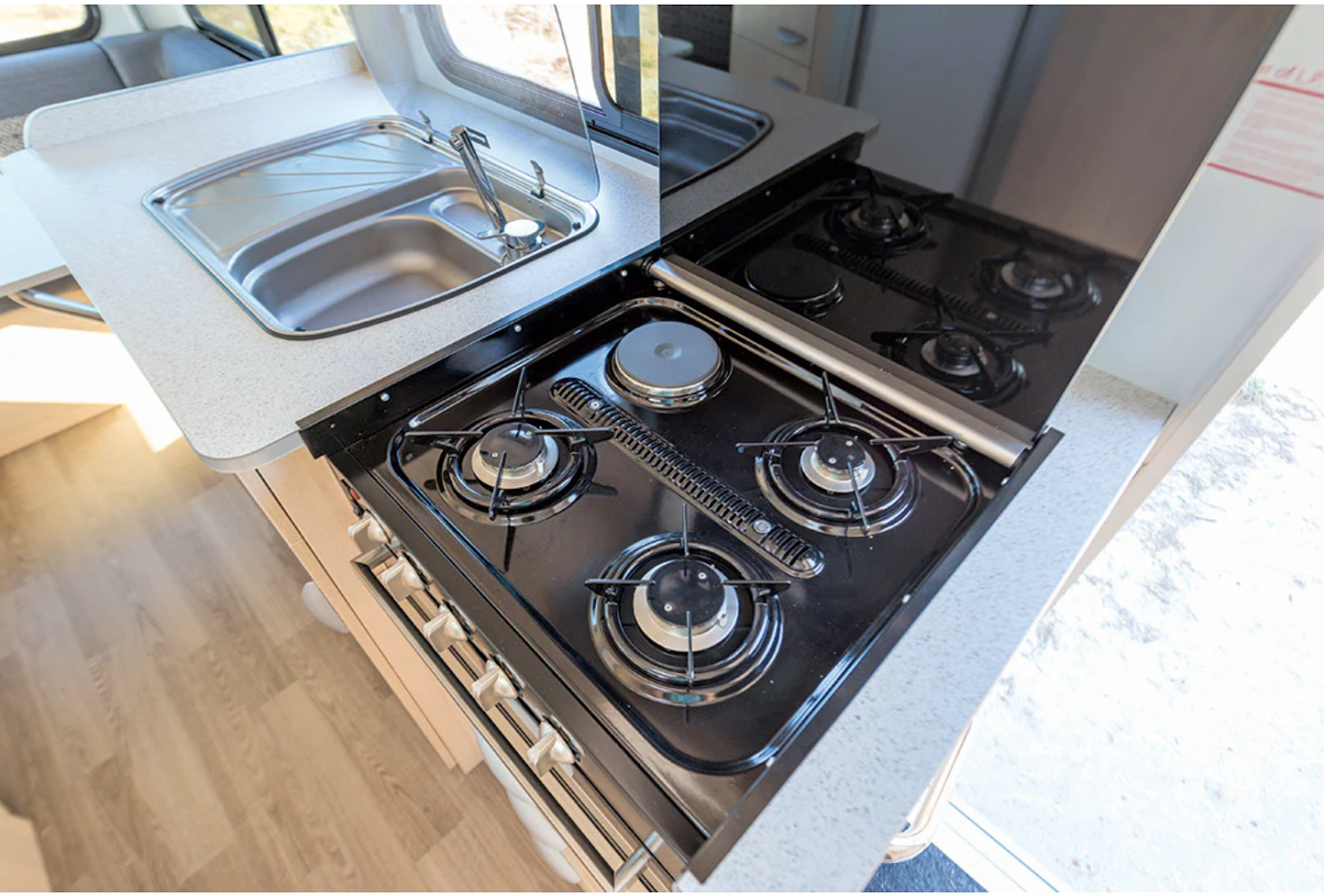
Residential gas systems power cooktops, hot-water units, heaters and outdoor appliances. Safe installation, suitable ventilation and regular servicing help them operate reliably. Brisbane homeowners should always use an appropriately licensed gasfitter for installation, testing, alterations and repairs rather than attempting gas work themselves.
Gas is a practical energy choice for many homes, but every system needs proper care. Ageing fittings, damaged regulators and unapproved alterations can create safety risks or waste fuel.
Understanding Household Gas Systems
A home may use reticulated natural gas connected through a meter or LPG supplied through cylinders. The installation can include pipework, isolation valves, regulators, appliance connections and ventilation.
Natural gas is lighter than air and generally rises, while LPG is heavier and can collect in low areas. Both have a rotten-egg-like smell added to make leaks easier to recognise.
Common household appliances include:
-
- Gas cooktops and ovens
-
- Hot-water systems
-
- Indoor and outdoor heaters
-
- Barbecues and outdoor kitchens
-
- Pool and spa heaters
Each appliance must suit the property’s fuel type and be installed according to the manufacturer’s requirements.
Common Residential Gas Services in Brisbane
Professional services cover more than emergency leak repairs. A licensed gasfitter may install a cooktop, replace a hot-water unit, extend pipework, upgrade a regulator or disconnect an appliance during renovations.
Testing is also useful when you move into an older home or notice changed appliance performance. Queensland requires anyone carrying out gas work to hold the appropriate licence or authorisation, and that licence must cover the work being performed.
LTC Gas assists Brisbane homeowners with installations, servicing, fault finding and repairs. An inspection can determine whether a problem is coming from an appliance, its connection, internal pipework or the incoming supply.
Signs Your Gas System Needs Attention
Appliances often show warning signs before they fail completely. Acting early may prevent a small fault from becoming a larger safety or reliability problem.
Arrange an assessment if you notice:
-
- A rotten-egg or sulphur-like smell
-
- Hissing near a pipe, valve or appliance
-
- Burners that are difficult to ignite
-
- Flames that flicker or burn unusually
-
- Soot around an appliance
-
- Hot water that loses temperature
-
- Unexpected increases in gas use
-
- Corrosion or damaged fittings
Carbon monoxide differs from leaking fuel gas because it has no smell or colour. Faulty combustion or poor ventilation can create this hazard, so unusual appliance behaviour should not be ignored.
What to Do If You Smell Gas
Do not light a match, smoke or operate electrical switches when you suspect a leak. Turn off the affected appliance, open doors and windows, and shut off the gas supply at the meter or cylinder when safe.
If the smell remains, leave the area and contact your gas supplier or a licensed gasfitter. Queensland Government guidance says to call 000 if gas can still be smelled after the supply has been turned off.
Never use a flame to find a leak. Do not loosen fittings, remove appliance panels or attempt temporary repairs.
Residential Gas Installation and Compliance
Gas installation involves more than connecting an appliance to a pipe. A gasfitter must consider pipe sizing, pressure, appliance approval, ventilation, flueing, clearances and isolation points.
AS/NZS 5601.1:2022 is the current standard for general gas installations and covers design, installation and commissioning requirements. Queensland also requires relevant work to be documented using the correct certificates, plates or notices.
These requirements matter when replacing hot-water systems, upgrading kitchens, extending homes or changing appliance locations.
Choosing the Right Gas Appliance
First confirm whether your property uses natural gas or LPG. Appliances are configured for a specific fuel and should not be connected to another type unless an approved conversion is completed.
Consider appliance size, household demand, ventilation and installation location. A larger unit is not always better because it may cost more to operate or require upgraded pipework.
For hot water, consider household size and simultaneous use. For cooking, check available space, ventilation and whether the existing connection can support the new appliance.
Maintaining Gas Appliances
Follow the manufacturer’s servicing instructions and watch for changes in performance. Keep vents clear, avoid placing combustible materials nearby and do not cover regulators, meters or ventilation openings.
Outdoor components should remain protected from damage and accessible for inspection. LPG cylinders must stay upright and secure. Queensland safety advice recommends using a licensed gasfitter to test, install or repair appliances.
A professional service may include checking burner operation, ignition, pressure, ventilation and visible connections.
Frequently Asked Questions
How Often Should a Gas Appliance Be Serviced?
Follow the manufacturer’s instructions and arrange an inspection whenever performance changes. Frequently used heaters, hot-water units and cooking appliances may need more regular attention.
Can I Install a Gas Cooktop Myself?
No. Appliance installation and associated pipework must be completed by a person holding the appropriate Queensland gas work licence or authorisation.
Is LPG Suitable for a Brisbane Home?
Yes. LPG can supply cooking, hot water and heating where reticulated natural gas is unavailable. Cylinders, regulators, pipework and appliances must be correctly selected and installed.
Why Has My Gas Bill Increased?
Possible causes include greater usage, an inefficient appliance, poor burner performance, a faulty regulator or a leak. Arrange an inspection if the increase is unexplained.
When to Call a Professional
Call a licensed gasfitter when you smell gas, hear hissing, see damaged fittings or notice unusual appliance performance. Professional help is also required before installing, replacing, moving or disconnecting any gas appliance.
Contact LTC Gas for residential gas assistance across Brisbane. A qualified assessment can identify the cause, explain suitable options and complete the necessary work safely.
Conclusion
A safe home gas system depends on correct installation, approved appliances, suitable ventilation and timely maintenance. Learn the warning signs, avoid DIY gas work and act quickly when you notice a smell, damaged connection or unreliable appliance.
For qualified household gas installations, servicing and repairs in Brisbane, speak with LTC Gas. Professional workmanship can help keep your appliances safe, efficient and dependable.